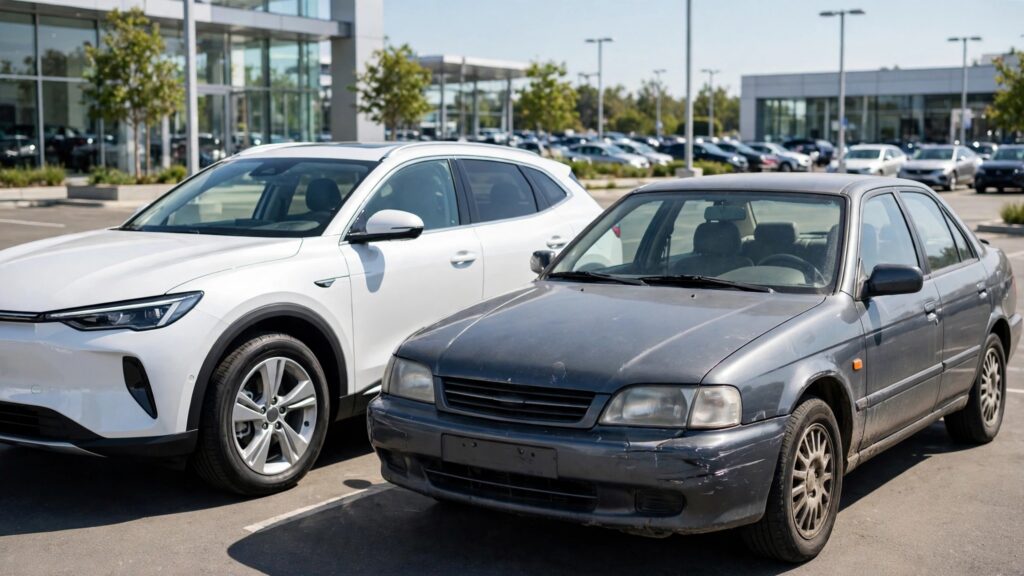
The decision between financing a new or used vehicle affects far more than just the sticker price you first see advertised on the windshield. Interest rates, loan terms, and even how much scrutiny a lender applies to the vehicle itself all shift depending on which category you’re financing, sometimes in ways that surprise buyers who assumed the process would be essentially identical either way.
Why New Car Loans Typically Carry Lower Rates
Lenders generally view new vehicles as lower risk collateral, since there’s no uncertainty about prior maintenance history, accident damage, or wear that might affect the vehicle’s value over the loan term. This lower perceived risk translates into meaningfully lower interest rates on new car loans compared to used car loans for otherwise identical borrowers, sometimes a difference of several full percentage points depending on the lender and the specific age of the used vehicle in question.
How Depreciation Changes the Math
New vehicles depreciate fastest in their first year of ownership, often losing a substantial portion of their value within the first twelve months alone, which creates a genuine risk of being underwater on a loan, owing more than the vehicle is actually worth, especially when paired with only a small down payment at purchase. Used vehicles have already absorbed much of this steep initial depreciation, meaning the loan-to-value relationship tends to stay more favorable throughout the loan term, an important consideration covered in more detail when looking at how loan-to-value ratios work for car loans.
Loan Terms and Age Restrictions on Used Vehicles
Many lenders cap the maximum loan term for used vehicles based specifically on the car’s age or total mileage, sometimes refusing to extend loans on vehicles beyond a certain number of years or miles altogether regardless of the borrower’s own credit standing. This means a used car loan might be limited to 60 months even if you’d genuinely prefer a longer term, while the same lender might offer 72 or 84 months on a comparable new vehicle instead, a meaningful difference for anyone prioritizing a lower required monthly payment above all else.
How Warranty Coverage Factors Into the Decision
A new vehicle typically comes with a full manufacturer warranty, reducing the risk of expensive, unplanned repair costs during at least the first several years of ownership. A used vehicle, particularly one purchased outside a certified pre-owned program, may have little or no remaining warranty coverage left at all, meaning repair costs become an out-of-pocket risk layered on top of the loan payment itself.
Certified Pre-Owned as a Middle Ground
Certified pre-owned vehicles, inspected and often backed by an extended manufacturer warranty, occupy a middle ground between new and standard used vehicles. These typically qualify for financing terms closer to new car rates than standard used car rates, since the certification process and extended warranty reduce much of the uncertainty a lender would otherwise price into a standard used car loan, making this category worth specifically asking about if you’re trying to balance cost against risk.
How Your Down Payment Requirement Might Differ
Lenders sometimes require a larger down payment percentage on older or higher-mileage used vehicles, reflecting the increased risk of the collateral losing value faster relative to the remaining loan balance. Reviewing how down payments affect your auto loan specifically in the context of a used vehicle purchase helps set realistic expectations before you’ve fallen in love with a specific car that might require more upfront cash than a comparable new vehicle would.
Total Cost of Ownership Beyond Just the Loan
A used vehicle’s lower purchase price doesn’t automatically mean lower total cost of ownership once financing, insurance, and expected maintenance are all factored in together. Insurance premiums, interest costs from a higher used car rate, and a higher likelihood of unplanned repairs without warranty coverage can sometimes narrow or even eliminate the apparent savings of buying used, depending on the specific vehicles being compared and their individual condition and history.
A Practical Comparison
Consider a $30,000 new car financed at a favorable rate over 60 months against a comparable three-year-old used version of the same model, priced at $22,000 but financed at a meaningfully higher rate over the same term due to its used status. The monthly payment gap narrows considerably once the rate difference is factored in, and it’s worth running both scenarios with actual numbers from real loan quotes rather than assuming the lower sticker price on the used vehicle automatically translates into proportionally lower total costs across the life of the loan.
How to Decide Which Path Fits Your Situation
If minimizing interest costs and securing manufacturer warranty coverage matter most, and you can manage a new vehicle’s steeper initial depreciation, new financing often makes sense despite the higher price tag. If minimizing the purchase price and total loan amount matters most, and you’re comfortable accepting some repair risk or purchasing an extended warranty separately, a well-chosen used vehicle, ideally certified pre-owned, can meaningfully reduce your total borrowing while still keeping loan terms reasonably favorable.
How Manufacturer Incentives Affect New Car Financing
Manufacturers frequently offer promotional financing rates on new vehicles, sometimes considerably below standard market rates, as an incentive to move specific models off dealer lots. These promotional rates are almost never available on used vehicles, and choosing between a manufacturer’s promotional rate and cash-back incentive requires actually calculating which option saves more over your specific loan term, since the promotional rate isn’t automatically the better deal in every situation, particularly for buyers planning a shorter ownership period or a larger down payment.
Regional and Seasonal Pricing Patterns Worth Knowing
Both new and used vehicle pricing follow some predictable seasonal patterns, with new model year changeovers often creating better deals on outgoing models, and used vehicle prices sometimes softening during certain months when trade-in volume increases following new model releases. While these patterns shouldn’t be the sole driver of your purchase timing, being aware of them can help you time a purchase to capture somewhat better pricing on either category, new or used, without needing to rush a decision purely based on an artificial deadline.
How Your Credit Score Interacts With This Decision
The rate gap between new and used financing tends to widen for borrowers with weaker credit scores, since lenders price used car risk more conservatively across the board, and that conservative pricing compounds with credit-based risk pricing for anyone outside the strongest credit tiers. A borrower with excellent credit might see only a modest rate difference between new and used, while a borrower with fair credit could see a considerably larger gap, making the new versus used decision even more consequential for anyone whose credit isn’t already in the strongest bracket.
Private Party Used Car Purchases and Financing
Financing a used vehicle purchased from a private seller rather than a dealership introduces some additional complexity, since not every lender finances private party sales, and those that do often require additional documentation, a bill of sale, a vehicle inspection, or proof of the vehicle’s title status, before releasing funds. It’s worth confirming a lender supports private party financing specifically before agreeing to a purchase, since discovering this limitation after already negotiating a deal with a private seller can create an awkward, time-pressured scramble to secure financing on short notice.
Fleet and Rental Return Vehicles as a Used Car Category
A specific subset of used vehicles, former rental fleet or corporate lease returns, deserves its own mention, since these vehicles often come with detailed maintenance records and relatively low mileage relative to their age, but were also driven by multiple different drivers with varying habits over their service life. Lenders generally treat these the same as any other used vehicle for financing purposes, but it’s worth researching the specific vehicle history through a vehicle history report before assuming a rental return is automatically a better or worse choice than a comparable privately owned used vehicle of similar age and mileage.
How Loan Term Length Interacts With the New Versus Used Choice
Extending a loan term to lower monthly payments carries more risk on a used vehicle than a new one, since a used car is already further along its depreciation curve and a long loan term on an older vehicle increases the odds of owing more than the car is worth for a larger portion of the loan. Comparing short-term versus long-term auto loans specifically in the context of a used vehicle purchase is worth doing before defaulting to whatever term produces the lowest monthly payment on paper.
Asking About Manufacturer Certified Programs Specifically
Not every used vehicle labeled certified pre-owned by a dealership actually qualifies for the manufacturer’s official certification program, and the difference matters considerably for financing purposes. A genuine manufacturer-certified vehicle typically qualifies for special financing rates and an extended factory warranty, while a dealer’s own informal certified label may carry neither benefit despite sounding similar. Asking specifically whether a vehicle is certified through the manufacturer’s official program, rather than assuming any car labeled certified automatically qualifies, avoids a common point of confusion that can affect both your financing rate and your warranty coverage.
The Bottom Line
New and used car loans aren’t just the same product applied to different price tags, the underlying rates, terms, and risk considerations genuinely differ in ways that affect your total cost well beyond the sticker price alone. Getting actual quotes for both categories before committing to either path ensures your decision reflects real numbers rather than assumptions about which option is automatically cheaper.


