Anyone starting out with no credit history, or rebuilding after some past financial trouble, eventually runs into the same frustrating catch. Lenders want to see a track record before extending credit, but you can’t build a track record without first getting approved for something. Secured credit cards exist specifically to break that cycle, and understanding how they differ from standard unsecured cards helps you use one effectively rather than treating it as a permanent second-tier product.
How a Secured Credit Card Actually Works
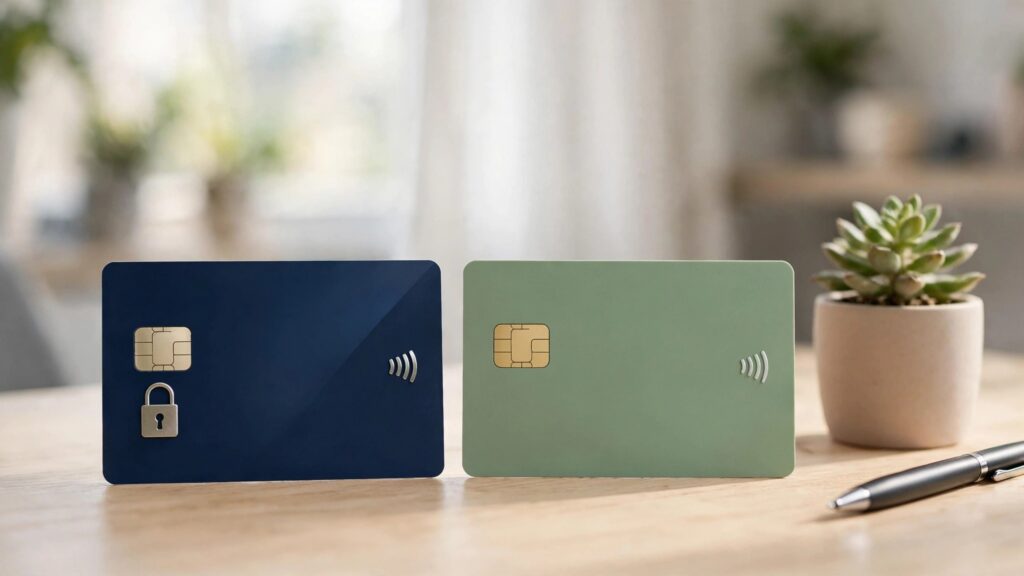
A secured card requires a cash deposit upfront, typically ranging from a couple hundred dollars to a couple thousand, and that deposit usually becomes your credit limit. If you put down $500, your limit is generally $500. This deposit protects the issuer against the risk of lending to someone with no established credit history, which is exactly why secured cards are far easier to get approved for than unsecured cards, even with a limited or damaged credit background.
How an Unsecured Card Differs
An unsecured card, the standard type most people picture when they think of a credit card, extends credit based purely on your creditworthiness, with no deposit required. Approval depends on your credit history, income, and existing debt, which is exactly why someone with no credit history or a recent bankruptcy often can’t qualify for one until they’ve rebuilt enough of a track record, frequently starting with a secured card as the first step in that process.
What Happens to Your Deposit
Your deposit isn’t a fee, it’s fully refundable. As long as you keep your account in good standing and eventually close the card or upgrade to an unsecured product, most issuers return your deposit in full. Some issuers automatically review secured accounts after a set period, often around six months to a year of consistent on-time payments, and proactively upgrade qualifying cardholders to an unsecured card, returning the deposit as part of that transition.
Does a Secured Card Build Credit the Same Way
Yes, and this is the entire point of the product. Secured cards report to the major credit bureaus exactly the same way unsecured cards do, meaning on-time payments, low utilization, and account age all contribute to your credit history identically regardless of which type of card is generating that activity. The deposit only affects your credit limit and the issuer’s risk exposure, not how the account itself gets reported.
How to Choose a Secured Card Worth Using
Look specifically for a secured card with no or minimal annual fee, since paying a meaningful annual fee on top of tying up a deposit reduces the overall value of the product considerably. Confirm the issuer actually reports to all three major credit bureaus, since a secured card that only reports to one bureau does less to help your overall credit profile than one reporting broadly. And check whether the issuer offers an automatic upgrade path to an unsecured card after a period of responsible use, since this saves you from having to apply for a new card entirely once you’ve built enough history.
Common Mistakes People Make With Secured Cards
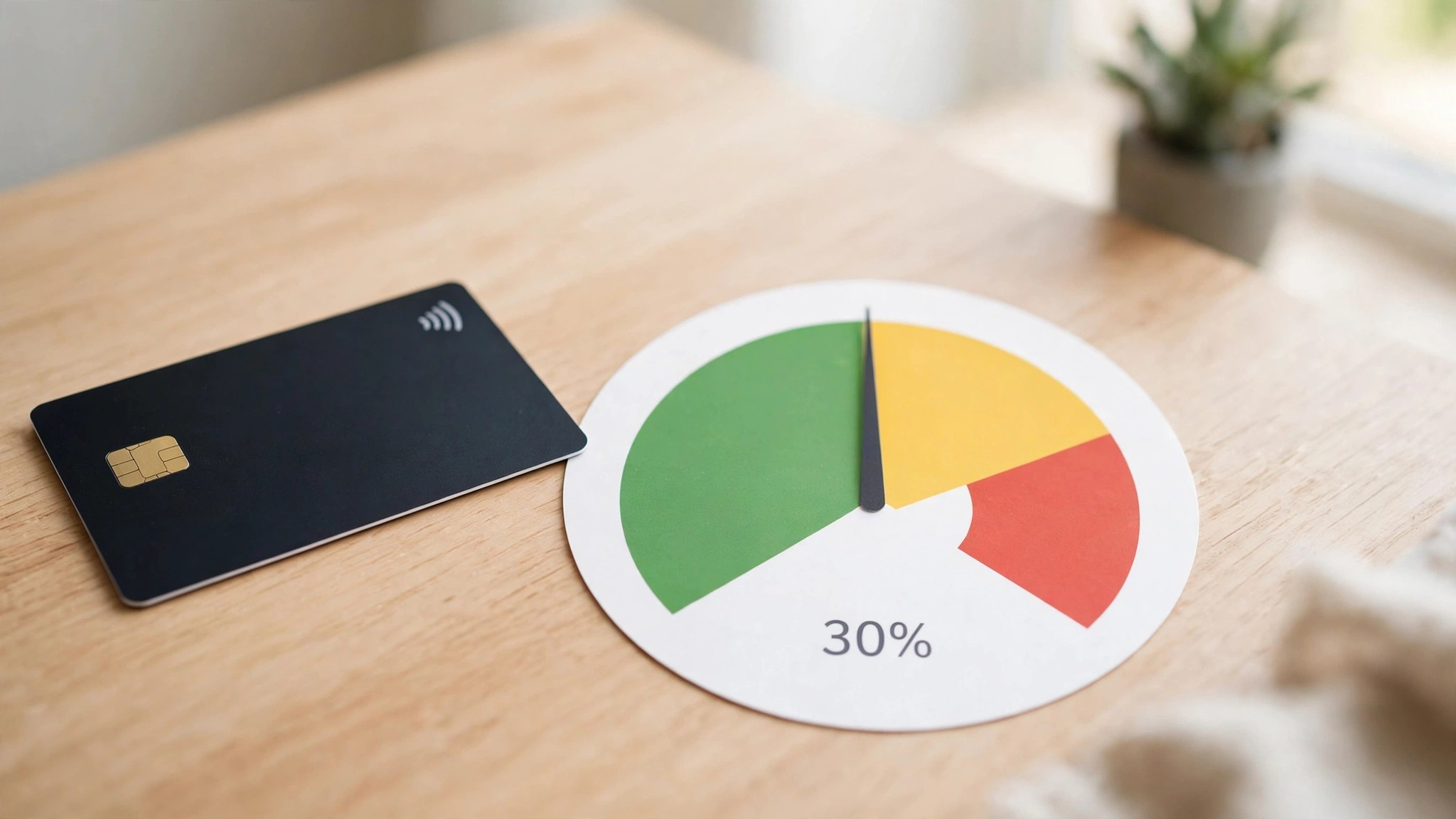
Maxing out the card regularly is one of the most damaging mistakes, since high utilization hurts your score regardless of whether the card is secured or unsecured, and a low limit on a secured card makes it especially easy to accidentally run utilization high with just a couple of purchases. Treating the deposit as spending money rather than genuine collateral is another trap, since some cardholders mentally treat the card’s limit as extra available cash rather than money they’ve already set aside and will eventually get back.
When It Makes Sense to Move to an Unsecured Card
Once you’ve built six months to a year of consistent on-time payments and low utilization, it’s worth checking whether your current issuer offers an automatic upgrade, or applying for a standard unsecured card elsewhere if they don’t. Moving to an unsecured card frees up your deposit and often comes with a higher credit limit and better rewards, assuming your credit history has genuinely improved enough to qualify for better terms in the meantime.
A Realistic Path Worth Following
Someone with no credit history opens a secured card with a $300 deposit, uses it for a single small recurring bill each month, and pays the statement in full every time without exception. After eight months of this pattern, their credit score has developed enough of a track record to qualify for a standard unsecured rewards card. They close or upgrade the secured card, get their deposit back, and continue building credit from there with a card that offers actual rewards on top of the credit-building benefit.
Alternatives Worth Knowing About
Beyond secured cards, becoming an authorized user on a family member’s well-managed account can also help build credit history, since their positive payment history can appear on your own credit report as well, though this depends entirely on the primary cardholder’s habits and whether their specific issuer reports authorized user activity to the bureaus at all. Credit-builder loans, a different product entirely, work similarly in spirit, reporting a structured savings and repayment pattern to help establish credit for people without any existing history.
How Secured Cards Differ From Prepaid Debit Cards
A surprising number of people confuse secured credit cards with prepaid debit cards, but the two work in fundamentally different ways beneath the surface, and mixing them up defeats the entire purpose of choosing a secured card in the first place. A prepaid debit card simply lets you spend money you’ve already loaded onto it, and because there’s no borrowing involved at all, prepaid cards generally don’t report any activity to the credit bureaus, meaning using one does nothing whatsoever to help build your credit history no matter how responsibly you manage it. A secured credit card, by contrast, is a genuine line of credit backed by your deposit as collateral. When you make a purchase on a secured card, you’re actually borrowing against that credit line and then repaying it, just like you would with any unsecured card, and it’s specifically this borrowing and repayment cycle that gets reported to the bureaus and contributes to your credit history over time. If your goal is building credit, a secured card is the right tool. A prepaid card, however convenient it might feel for budgeting, simply won’t move the needle on your credit report no matter how long you use it.
What Issuers Actually Look at Before Approving You
Even though secured cards are considerably easier to qualify for than unsecured cards, approval still typically requires passing some basic checks rather than being fully automatic for anyone who applies. Issuers generally verify your identity, confirm you have a checking account capable of covering the required deposit, and check whether you have any unresolved debts with that specific bank or a history of serious past fraud on file. Most secured card issuers don’t require an existing credit score at all, which is exactly what makes the product accessible to people with no credit history whatsoever, but a small number of issuers do run a soft credit check as part of their standard process, so it’s worth reading the application terms carefully if you’re specifically trying to avoid any credit inquiry during your application.
How Much of a Deposit Actually Makes Sense
Putting down the minimum required deposit gets you approved and starts building your credit history immediately, which is often the right move if your main goal is simply establishing a track record as quickly and cheaply as possible. Putting down a larger deposit gives you a correspondingly higher credit limit, which can actually work in your favor for utilization purposes, since a higher limit means the same monthly spending represents a smaller percentage of your available credit. If you can comfortably set aside a larger deposit without it creating financial strain elsewhere, opting for a somewhat higher limit than the bare minimum can genuinely help your utilization ratio look healthier from the very start.
How This Fits Into a Broader Credit-Building Plan
A secured card works best as one piece of a broader approach rather than a standalone fix, paired with consistent attention to keeping your utilization ratio low across every account you hold, not just the secured one. Combining a secured card with on-time payments on any other existing obligations, like a phone bill or a small personal loan, builds a more complete and convincing credit picture than the card alone ever could on its own.
The Bottom Line
A secured card isn’t a lesser product, it’s a deliberate stepping stone designed to solve the exact chicken-and-egg problem that makes building credit from nothing so frustrating. Used with the same discipline you’d apply to any credit card, on-time payments and low utilization, it builds a genuine credit history at the same pace an unsecured card would, just with a refundable deposit standing in for the trust a longer track record would otherwise provide.